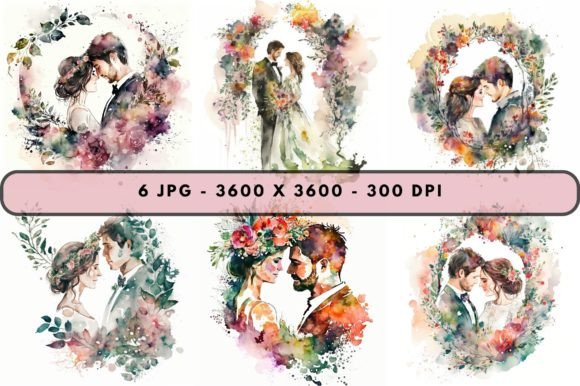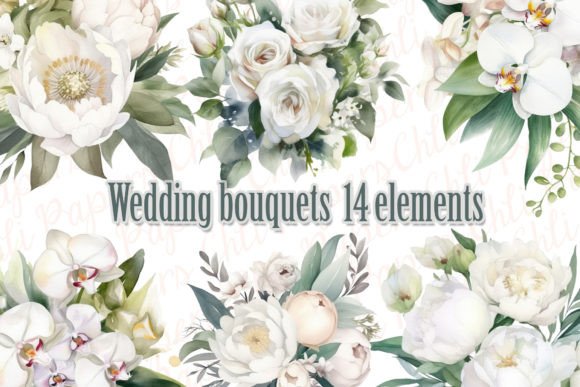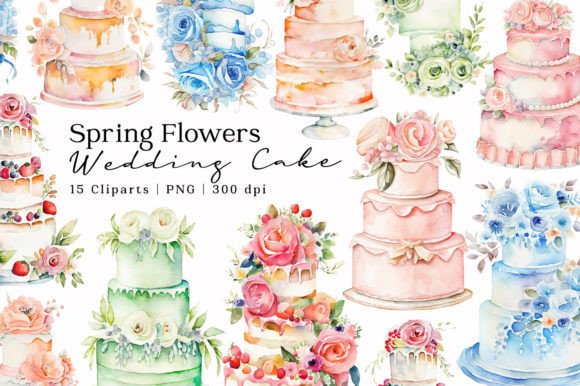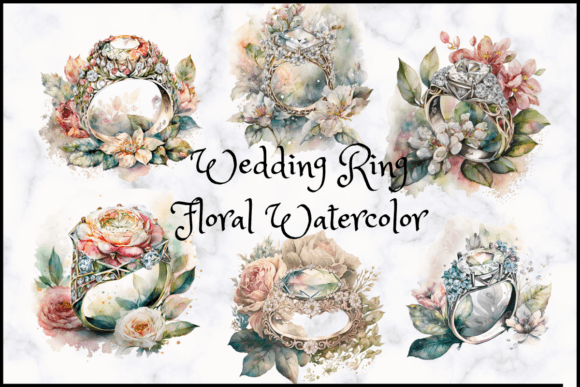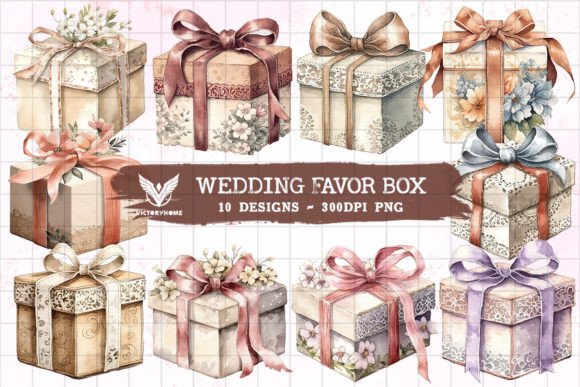
Watercolor Wedding Favor Box Sublimation: A Designer's Dream Asset
There's something inherently magical about watercolor. The way pigments bleed into one another, the soft washes of color, the subtle texture that feels both organic and artistic—it's a style that immediately evokes emotion. When you combine that aesthetic with wedding stationery and favor packaging, you get something truly special. Watercolor wedding favor box sublimation designs tap into a timeless romanticism that brides, event planners, and small business owners absolutely adore. Whether you're creating custom favor boxes for a client's bridal shower or building a product line for your Etsy shop, having access to high-quality sublimation-ready artwork changes everything about your workflow and final output.
What Makes Watercolor Designs So Universally Appealing
Watercolor artwork sits at this beautiful intersection of elegance and approachability. Unlike stark geometric patterns or overly formal calligraphy, watercolor feels warm. It invites people in. For wedding-related products specifically, this quality is invaluable. Brides want their guests to feel welcomed and appreciated, and a favor box adorned with delicate watercolor florals or soft pastel washes communicates exactly that sentiment without saying a single word.
The visual characteristics of watercolor—its transparency, its organic edges, its gentle gradients—create depth that flat digital designs often struggle to achieve. When you're working with a sublimation-ready PNG file at 300 DPI, every one of those nuances transfers beautifully onto physical materials. The texture reads as authentic. The colors remain vibrant. The overall impression feels handcrafted even when you've produced it efficiently from a digital template.
From a design perspective, watercolor backgrounds and elements also play exceptionally well with typography. Whether you're layering a script font over a watercolor wash or pairing a clean sans serif font against floral watercolor illustrations, the contrast between structured letterforms and organic paint textures creates visual tension that's genuinely captivating. This versatility is precisely why watercolor design assets have remained popular across so many different industries and project types.
Practical Applications Beyond the Wedding Industry
While the name suggests a wedding-specific use case, the reality is far broader. Designers and entrepreneurs regularly repurpose watercolor sublimation files across a surprising range of projects, and understanding these possibilities helps you maximize the value of every asset you purchase.
Packaging and product presentation benefit enormously from watercolor artwork. Small businesses selling candles, bath products, artisan foods, or handmade jewelry frequently use watercolor elements on their boxes, labels, and tissue paper. The aesthetic communicates quality and care—exactly the impression most brands want to make. Sublimation printing allows these designs to transfer onto coated surfaces with remarkable fidelity, which means your packaging looks professional from the first run.
Social media graphics and digital marketing represent another major opportunity. Instagram posts, Pinterest pins, Facebook headers, and email newsletter banners all benefit from watercolor backgrounds that add personality without overwhelming the text or product photography. A soft watercolor wash behind a promotional quote or sale announcement gives your content a polished, branded appearance that stops the scroll far more effectively than a plain white background.
For bloggers and content creators, watercolor design elements work beautifully as featured image backgrounds, section dividers, or accent graphics within editorial layouts. Lifestyle bloggers, wedding photographers, and food writers especially gravitate toward this style because it reinforces their aesthetic without requiring custom illustration for every single post. Having a library of sublimation-ready files means you can produce consistent visual content quickly and efficiently.
Invitation design and stationery remain perhaps the most natural fit. Beyond wedding invitations, watercolor elements elevate save-the-dates, baby shower invitations, milestone birthday cards, graduation announcements, and holiday greetings. The ZIP file format with high-resolution PNGs gives you the flexibility to import these assets into virtually any design software—whether you're working in Adobe Illustrator, Canva, Procreate, or Photoshop.
Merchandise and print-on-demand products open up yet another avenue. T-shirts, tote bags, mugs, phone cases, and wall art prints all benefit from watercolor artwork that translates well through sublimation printing. If you run a print-on-demand shop or sell custom products at craft fairs, having access to premium design assets that are already formatted for sublimation saves you hours of preparation work.
Working With Sublimation-Ready Files Effectively
Understanding the technical side of sublimation helps you get the best results from your watercolor design files. Sublimation printing uses heat to transfer dye onto materials, which means the quality of your source file directly impacts the quality of your finished product. A 300 DPI PNG with clean transparency gives you the resolution and flexibility needed for sharp, professional output whether you're printing on fabric, coated ceramics, or specialty paper.
The key practical advantage of receiving files in PNG format is universal compatibility. You don't need specialized software to open or manipulate them. Drag them into your design workspace, scale them to fit your project dimensions, and layer them with your typography and other design elements. This accessibility matters enormously for small business owners and hobbyists who might not have extensive technical training but still want to produce beautiful, market-ready products.
When preparing files for actual sublimation printing, pay attention to color profiles and your printer's specific requirements. Watercolor designs with soft pastels and subtle gradients can sometimes shift during the heat transfer process, so running test prints before committing to a full production batch is always worthwhile. Most sublimation printers handle vibrant watercolors exceptionally well, but those delicate blush pinks and muted sage greens occasionally benefit from minor color adjustments to match your vision.
Building Visual Consistency Across Your Brand
One of the most overlooked advantages of working with a cohesive set of watercolor design assets is the visual consistency they bring to your broader brand identity. When your favor boxes, thank-you cards, social media posts, website graphics, and printed materials all share a consistent watercolor aesthetic, your brand feels intentional and professional. Customers notice that coherence even if they can't articulate exactly why everything feels so polished.
This principle applies whether you're a wedding planner building a portfolio, an Etsy seller establishing a shop aesthetic, or a blogger developing a recognizable visual voice. Consistency builds trust. Trust builds recognition. Recognition builds loyalty. It's a straightforward chain, and it starts with choosing design assets that work harmoniously together across multiple touchpoints.
Consider how your watercolor elements interact with your chosen typography as well. A romantic script font layered over a watercolor floral arrangement creates one mood entirely. The same watercolor background paired with a modern geometric sans serif produces something more contemporary and unexpected. Testing these combinations before finalizing your brand materials ensures that your visual communication aligns with the emotional response you want to evoke.
Maximizing Value From Your Design Investment
Every design asset you purchase should work hard for your business or creative practice. The beauty of versatile watercolor sublimation files lies in their adaptability across so many different project types and client needs. A single set of files might serve as the foundation for a wedding favor box one week, a social media campaign the next, and a set of printed thank-you cards the week after that.
Keep your files organized by color palette or theme so you can quickly locate the right asset when inspiration strikes or a client deadline approaches. Creating a simple folder structure—perhaps organized by dominant color, floral versus abstract, or seasonal relevance—transforms a collection of digital files into a genuinely useful creative library that accelerates your workflow rather than slowing it down.
The instant download format means there's no waiting for shipping or production delays. You purchase, download, and start creating immediately. For designers juggling multiple projects or small business owners wearing every hat in the operation, that immediacy has real practical value that goes beyond simple convenience.
Watercolor design continues to resonate with audiences because it carries an authenticity that purely digital aesthetics sometimes lack. When you incorporate these elements thoughtfully into your projects—whether that's a wedding favor box, a brand identity system, or a line of printed merchandise—you're tapping into a visual language that people instinctively connect with on an emotional level. That connection is ultimately what great design is all about.